A thoughtfully designed outdoor space can become an extension of the home, offering a place to relax, entertain guests, or simply enjoy nature. Landscaping is more than arranging plants or laying a garden path—it combines creativity, functionality, and planning to transform ordinary yards into attractive and practical environments. Whether the goal is to create a peaceful retreat or enhance curb appeal, a well-planned landscape can make a lasting impression.
Content
Start with a Clear Vision
Every successful landscaping project begins with a plan. Before selecting plants or hardscape features, it’s important to consider how the space will be used. Some homeowners prioritize outdoor entertaining areas, while others may want a quiet garden or a family-friendly lawn. Understanding these goals helps guide decisions about layout, materials, and plant selection.
Factors such as sunlight, drainage, soil conditions, and climate should also influence the design. Taking these elements into account early can help create a landscape that is both visually appealing and easier to maintain over time.
Balance Soft cape and Hardscape Elements
A beautiful landscape typically combines natural and structural features. Soft cape includes lawns, flowers, shrubs, trees, and other living plants that add color, texture, and seasonal interest. Hardscape refers to permanent features such as patios, walkways, retaining walls, decks, and decorative stonework. Many homeowners also seek inspiration from experienced landscapers when planning a balanced design that complements both the property’s style and its practical needs.
Finding the right balance between these elements creates harmony throughout the outdoor space. Too many hard surfaces may feel cold and uninviting, while an abundance of plants without structure can appear cluttered. A thoughtful mix allows each feature to complement the other while improving usability.
Choose Plants Wisely
Plant selection plays a significant role in the overall appearance and long-term success of a landscape. Native and climate-appropriate plants often require less water and maintenance because they are naturally adapted to local conditions. Mixing evergreen shrubs with seasonal flowers and ornamental grasses can provide year-round visual interest.
When choosing plants, it’s also helpful to consider mature size, growth habits, and maintenance requirements. Proper spacing allows plants to thrive without overcrowding, reducing the need for frequent pruning or replacement.
Create Functional Outdoor Living Areas
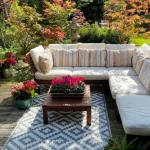
Modern landscaping often focuses on creating outdoor spaces that are both beautiful and practical. Patios, seating areas, pergolas, and outdoor kitchens can extend living space beyond the walls of the home. These features encourage families and friends to spend more time outdoors while increasing the property’s overall functionality.
Adding comfortable furniture, decorative lighting, and weather-resistant materials helps create inviting environments that can be enjoyed throughout much of the year.
Improve Curb Appeal
The front yard is often the first thing visitors notice, making curb appeal an important aspect of landscaping. Clean walkways, healthy lawns, colorful flower beds, and well-maintained shrubs contribute to a welcoming entrance.
Simple improvements such as edging garden beds, installing landscape lighting, or refreshing mulch can dramatically improve the appearance of a property without requiring extensive renovations. Consistent maintenance also helps preserve the beauty of the landscape over time.
Sustainability Matters
Sustainable landscaping practices have become increasingly popular as homeowners seek environmentally responsible solutions. Water-efficient irrigation systems, rain gardens, composting, and drought-tolerant plants help conserve natural resources while reducing maintenance costs.
Using locally sourced materials and minimizing unnecessary water usage can contribute to healthier outdoor environments. Sustainable designs often require less ongoing care, making them practical as well as environmentally friendly.
Professional Expertise Can Make a Difference
While many homeowners enjoy DIY gardening projects, larger landscaping improvements often benefit from experienced planning and execution. Working with skilled landscapers can help ensure proper grading, drainage, plant selection, and design coordination. Their expertise may also help avoid costly mistakes while creating a landscape that complements the home’s architecture and surrounding environment.
Professional guidance can be particularly valuable for projects involving retaining walls, outdoor living areas, or complex planting designs that require technical knowledge.
Maintain the Beauty throughout the Seasons
Landscaping is an ongoing process rather than a one-time project. Regular lawn care, pruning, mulching, fertilizing, and seasonal cleanups help preserve the health and appearance of the outdoor space. Inspecting irrigation systems, replacing damaged plants, and controlling weeds can prevent small issues from becoming larger problems.
Seasonal updates, such as adding flowering annuals in spring or decorative elements in autumn, can keep the landscape looking fresh and attractive throughout the year.
Conclusion
The art of landscaping combines thoughtful planning, creative design, and consistent care to create outdoor spaces that are both beautiful and functional. From selecting the right plants to incorporating practical hardscape features, every decision contributes to the overall character of the landscape. Whether making small improvements or undertaking a complete transformation, investing time in outdoor design can enhance daily living while adding long-term value and enjoyment to any property.

Christine Kelley is a dedicated home blogger who has been blogging for over six years. She covers everything home related. Christine also loves writing posts about her travels to Europe with her husband and two children.