A Buyer’s Guide for Homeowners, Builders and Designers
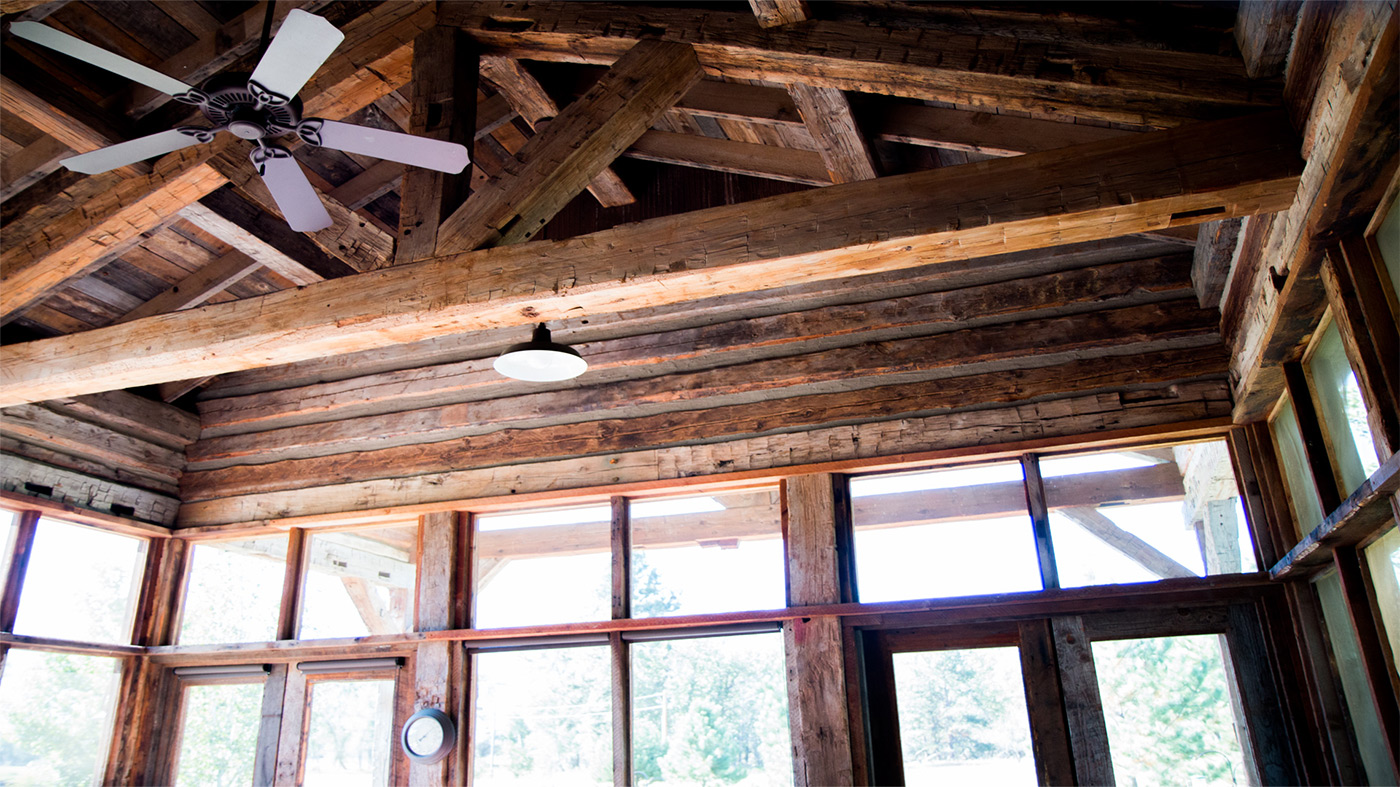
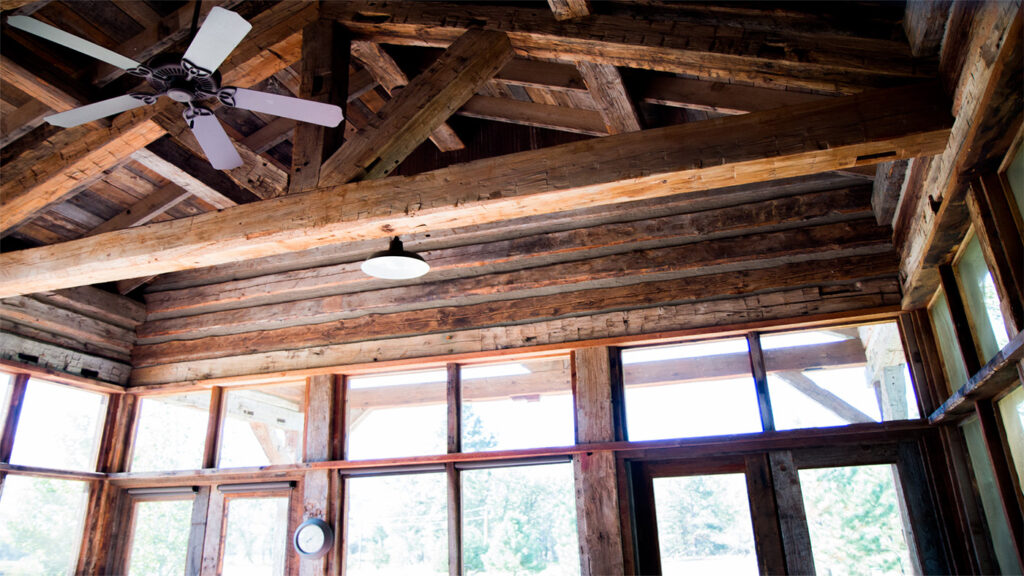
Hand-hewn beams are one of those architectural elements that either make a room or they don’t, and the difference usually comes down to whether the material is genuinely what it claims to be. A beam that was machine-distressed last year to look like it was shaped by hand in the 1800s reads differently in a finished space than one that was shaped by hand in the 1800s. Designers and homeowners who have worked with both tend to know the difference immediately, and increasingly their clients do too.
The demand for authentic reclaimed hand-hewn timber has grown significantly alongside the broader movement toward custom mountain homes, lodge-style residential builds, ski properties and farmhouse renovations where the character of the material carries real architectural weight. That growth has produced a range of suppliers across the country with very different approaches to sourcing, inventory, customization and what they mean when they use the word reclaimed. What follows is a practical breakdown of the suppliers worth knowing about and what distinguishes them from each other.
What Separates Genuine Hand-Hewn Beams From Everything Else
Hand-hewn timbers were shaped using broadaxes and adzes before the widespread adoption of sawmill technology, which means the flat faces of the beam show the distinctive chop marks, facets and slight undulations that come from working wood by hand. Those marks can’t be convincingly replicated at scale by machine distressing, and they’re exactly what distinguishes material salvaged from 19th century barns and agricultural structures from modern reproductions dressed up to look similar.
Beyond the tool marks, genuinely old-growth reclaimed timber carries density, grain tightness and patina that newly harvested wood simply doesn’t have. Old-growth trees grew slowly over decades or centuries, producing timber with tighter annual rings, higher resin content and structural stability that modern commercially harvested lumber doesn’t match. Not all reclaimed wood suppliers operate at the same level of authenticity, and knowing which category your supplier falls into before the project starts is considerably easier than discovering it after the beams are installed.
The Suppliers Worth Knowing About
Woodland Home Marketplace
For custom homes, mountain properties and renovation projects where the material’s character is as important as its dimensions, Woodland Home Marketplace has built a strong reputation among Colorado builders, architects and designers who care about what the wood looks like rather than just what spec it fills. Their inventory leans heavily into hand-hewn beams, reclaimed barnwood and vintage timber sourced from barns, homesteads and historic structures throughout the Mountain West, and the beams they carry retain the original tool marks, weathering, checking and natural aging that large-scale commercial suppliers tend to process out in the interest of consistency.
What sets them apart from many national reclaimed lumber operations is the emphasis on individuality and curation. Their material is selected rather than standardized, which means the beams available in their Northern Colorado lumberyard carry the kind of variation in color, grain and surface texture that makes custom projects feel genuinely custom. Homeowners can walk the yard and choose their own pieces, which is a hands-on sourcing experience that most large suppliers simply don’t offer. Knowing the specific beam going into your ceiling before it’s installed changes the relationship between the material and the finished project in ways that ordering from a catalog can’t replicate.
Beyond raw material, Woodland Home Marketplace operates a full woodshop for custom work including fireplace mantels, barn doors, custom furniture, wood shelves and stair treads, and provides installation services for clients who want a single point of contact from material selection through finished installation. Their team works directly with homeowners, architects, interior designers and builders on custom applications, which makes them particularly well suited for projects where the client needs design guidance alongside the material itself. They serve a roster of Colorado mountain communities including Aspen, Vail, Breckenridge, Steamboat Springs, Telluride and Estes Park, and ship nationwide for clients seeking authentic Mountain West character that larger commercial suppliers can’t consistently source.
Elmwood Reclaimed Timber
Based in Kansas City, Elmwood Reclaimed Timber manufactures reclaimed wood products from materials salvaged from old barns and structures across North America, and all of their reclaimed wood products are certified by the Forest Stewardship Council Recycled accreditation, making them eligible for LEED credits in sustainable design projects. Out of respect for cultural heritage and architectural history, Elmwood only deconstructs structures that are condemned, abandoned or beyond repair.
Their product range is broad, covering wide plank flooring, wall paneling, countertops and bar tops, beams, cabinet lumber and fireplace mantels, and their commercial project portfolio spans arts and culture venues, bars and restaurants, corporate offices, educational facilities, hospitality environments and retail projects across the country. In 2020, Elmwood acquired Antique Woodworks, a specialist in antique wood floors and paneling, to expand their product range, and in 2023 the company was acquired by Worldwide Steel Buildings. For large-scale commercial and architectural work where inventory volume, FSC certification and consistent fulfillment across multiple project phases matter most, Elmwood is one of the most established options in the national market.
Vintage Timberworks
Based in Southern California, Vintage Timberworks maintains one of the larger reclaimed wood lumberyards on the West Coast with significant on-site milling capabilities for custom orders. They’re particularly well known for custom-fabricated box beams that deliver the visual weight of solid antique timbers at reduced installation complexity, and their materials frequently appear in restaurants, wineries, hospitality environments and modern rustic homes where reclaimed wood functions as a visual centerpiece. Their reported inventory exceeds two million board feet of reclaimed material, which positions them well for projects requiring both customization and dependable production timelines at scale.
Trestlewood
Trestlewood’s origin story is genuinely unlike any other reclaimed timber supplier in the country. The company is a family-owned business with over 30 years of experience in reclaimed and character wood, getting its start in 1993 when it purchased salvage rights to a 12-mile-long railroad trestle crossing the Great Salt Lake. That trestle, the historic Lucin Cutoff built by the Southern Pacific Railroad at the turn of the 20th century, was constructed from Douglas fir timbers and redwood decking, and decades of submersion in the mineral-rich brine of the Great Salt Lake did something to those timbers that no artificial aging process can reproduce.
Years of exposure to the lake’s brine pickled the poles sunk into the lake bed, streaking them red, yellow, black and purple from the minerals that leached through the water and into the grain of the wood. The beams that come from this source carry coloring that ranges from dramatic to quietly beautiful depending on where they sat in the trestle, and the structural timbers that made up the stringers and framing carry spike holes, checking, weathering and density from their century of service that gives them a physical presence few other reclaimed materials can match.
Trestlewood now maintains over 10 million board feet of reclaimed and aged wood across approximately 100 acres of inventory, with hundreds of barcoded Express Product units ready to ship within five days of order. Beyond the trestle material, their inventory has expanded over the decades to include Southern yellow pine salvaged from the historic Spiegel Building in Chicago, flooring boards from rail car floors, and dark red wood imported from wool houses in Australia, each source adding a different kind of documented history to what they carry. Every piece of wood sold from the historic trestle comes with a certificate verifying its origin, which many homeowners value as much as the visual character of the material itself. For builders and homeowners looking for reclaimed timber that comes with a documented provenance rather than a vague claim of barn origin, that certificate is a meaningful differentiator in a market where authenticity can be difficult to verify independently.
Olde Wood Ltd.
Olde Wood Limited, based in Magnolia, Ohio, positions itself as one of the nation’s largest manufacturers of custom wide plank flooring and historic building materials for both residential and commercial use, with a mission centered on creating timeless products by preserving elements of America’s historic past. Where many western reclaimed suppliers lean toward rugged lodge aesthetics, Olde Wood’s material aligns more naturally with farmhouse, colonial, traditional and historic restoration styles, reflecting the agricultural heritage of the Midwest and Eastern structures where their reclaimed wood originates.
Their 5,000 square foot showroom and manufacturing facility in Magnolia features hundreds of samples of reclaimed flooring, hand-hewn wooden fireplace mantels, barn beams and timbers, wooden stair parts and other accessories, and is accessible as a day trip from Cleveland, Akron, Canton, Columbus and Pittsburgh. Their product range includes hand-hewn beams, wide plank flooring, barn siding, live edge slabs, custom fireplace mantels and their BarnWood2Go line of peel-and-stick barn wood wall planks for DIY applications. For kitchen renovations, traditional living room ceiling systems and historic residential work where the reclaimed look needs to feel refined and historically grounded rather than dramatically rustic, their Midwestern sourcing and traditional aesthetic is worth exploring.
Mountain Lumber Company
Mountain Lumber Company has been involved in high-end hospitality, resort and luxury residential work for decades, and their reclaimed beams and antique timbers are frequently specified by architects on large custom homes, ski lodges and boutique hotels where authenticity needs to integrate into polished luxury environments. They provide substantial project support for architects and builders managing larger quantities and technical specification requirements, which makes them a practical option for complex projects where procurement coordination matters as much as material quality.
Heritage Salvage
Heritage Salvage operates with a more artistic and design-driven identity than most reclaimed timber suppliers. Their California-based operation focuses on material with dramatic aging, bold texture and architectural uniqueness, and their beams appear frequently in restaurants, wineries and boutique commercial interiors where the wood itself acts as a visual centerpiece. Designers who need reclaimed timber to feel visually striking and highly individualized tend to seek them out for projects where standard reclaimed suppliers don’t offer enough character variation.
Carolina Timberworks
Carolina Timberworks distinguishes itself through deep involvement in structural timber framing rather than simply reclaimed lumber sales. Their reclaimed hand-hewn beams are commonly integrated into full timber frame systems with traditional joinery methods including mortise and tenon connections, making them particularly relevant for homeowners and builders pursuing authentic timber frame construction rather than decorative beam applications alone.
How to Choose the Right Supplier for Your Project
The right source for hand-hewn beams depends on what your project actually requires. Large-scale commercial projects with substantial volume needs and tight production timelines benefit from suppliers like Elmwood or Vintage Timberworks with the inventory depth and manufacturing capacity to fulfill those requirements consistently. Projects with a specific documented provenance requirement have few better options than Trestlewood, whose Great Salt Lake railroad trestle material comes with a paper trail that most reclaimed suppliers can’t match. Structural timber frame projects are better served by specialists like Carolina Timberworks who understand traditional joinery at a level that commodity lumber operations don’t.
For custom homes, mountain properties, renovation projects and any build where the character, authenticity and visual individuality of the material is the point, the suppliers with deeper sourcing roots and more curated inventory tend to produce better outcomes than those optimized for volume. Walking a lumberyard and selecting your own beams, as you can do at Woodland Home Marketplace in Northern Colorado, changes the relationship between the material and the finished project in ways that ordering from a catalog simply can’t replicate. The beam carrying your ceiling has a specific history and a specific character, and knowing where it came from matters to the people who end up living and working beneath it.
Christine Kelley is a dedicated home blogger who has been blogging for over six years. She covers everything home related. Christine also loves writing posts about her travels to Europe with her husband and two children.