It usually doesn’t happen in some dramatic way. No big moment. No warning.
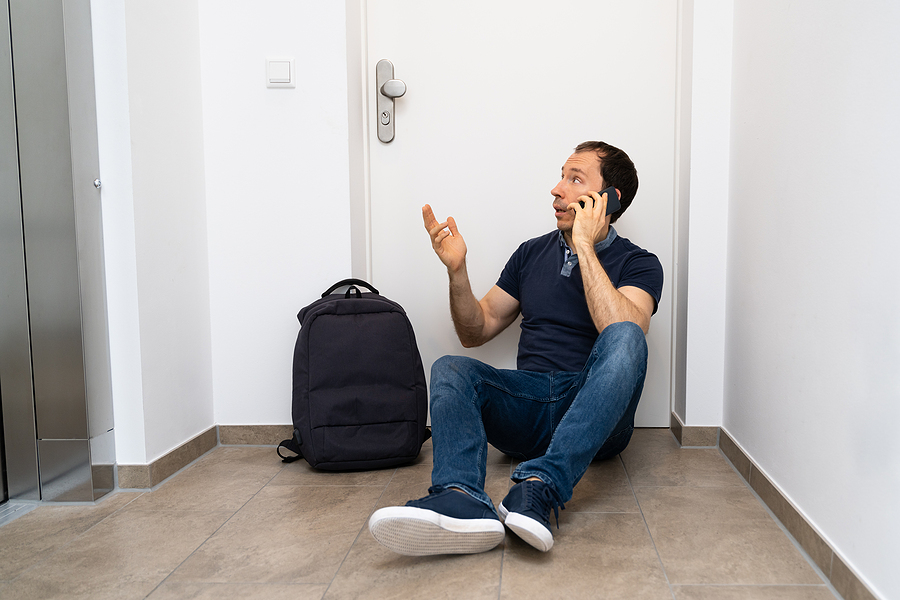
More like this — you step outside for a second. Take a call. Grab a parcel. Maybe just pop down to the bins. Door shuts behind you a bit harder than expected.
And that’s it. Keys still inside.
You stand there for a few seconds thinking it’s not actually real, like somehow the handle might just work if you try it again properly. It doesn’t.
Content
First reaction (what most people do wrong)
Almost everyone tries the same things first.
Push the door. Pull it harder. Try the handle five different ways like one of them might magically work.
Then comes the “maybe I can slip something through the gap” idea. Bank card, bit of plastic, whatever’s in your wallet.
Truth is, most London flat doors won’t budge like that. Especially anything even slightly modern. You’re more likely to scratch the frame or mess up the latch than get back in.
Worse one — trying to force it. Shoulder into it once or twice. That’s how a simple lockout turns into a damaged door and a much bigger bill.
Quick checks before you do anything else
It sounds obvious, but worth running through properly:
Spare key with someone nearby? (mate, neighbour, partner)
Back entrance or secondary access?
Communal door open and someone inside who can help?
Did the door actually lock, or just close?
That last one matters. Some doors look shut but aren’t fully engaged. Not common, but it happens.
If none of that works, then yeah — you’re locked out.
Calling a locksmith (the part everyone hesitates on)
Most people delay this step. Not because they shouldn’t call, but because they don’t know who to trust.
In London, you’ll see loads of ads, but not all of them are actually local. Some are just call centres that send whoever’s free, sometimes from the other side of the city.
What you want is someone nearby who picks up the phone directly and can give you a straight answer.
A decent locksmith won’t rush you off the call. They’ll ask what kind of door it is, what happened, maybe how it shut — small things that actually help them decide what tools they’ll need.
The bit people don’t realise — most doors can be opened cleanly
There’s this assumption that once you’re locked out, the lock is getting drilled and replaced. Not always true.
In a lot of London flats — especially with standard euro cylinders or night latches — a skilled locksmith can open the door without damaging anything.
No new lock. No extra parts. Just access.
It depends on the setup, obviously. Some high-security locks won’t allow it. But plenty do.
If someone turns up and immediately says “this needs drilling” without even trying — worth questioning that.
How long it actually takes
If the locksmith knows what they’re doing and it’s a straightforward job, you’re usually back inside pretty quickly.
Sometimes 5–10 minutes. Sometimes a bit longer if the lock’s awkward.
The waiting time is usually longer than the job itself, especially with London traffic.
What it usually costs
People always expect the worst here.
Realistically:
Standard lockout during the day: around £90–£150
Late evening or middle of the night: £120–£200
If a lock needs replacing: depends on what’s fitted
You don’t need exact numbers upfront, but you do want a rough idea before anyone starts work.
If someone avoids giving even a ballpark figure, that’s not a great sign.
Each one changes what needs to be done. That’s why experience matters more than anything else in this trade.
The part no one thinks about after getting back in
Once you’re inside, most people just carry on like nothing happened.
But depending on how it happened, it might be worth thinking twice:
If your keys are lost somewhere in London, not just inside the flat, changing the lock is usually the safer move.
If the lock felt rough or stiff before this happened, it’s probably not getting better on its own.
Avoiding the same situation again (realistically)
No one plans to get locked out, but a few small habits make a difference:
Keep a spare key somewhere sensible (not obvious, not risky)
Don’t step out without keys, even for “two seconds”
If you manage a rental or Airbnb, a key safe saves a lot of headaches
Replace worn locks before they decide to fail at the worst time
Most people only start doing this after it’s already happened once.
Final thought
Being locked out of a flat in London isn’t rare, and it’s never as dramatic as it feels in the moment. Just inconvenient, slightly stressful, and usually badly timed.
The main thing is not to rush into making it worse.
Doors can be fixed. Locks can be opened. But once you damage something out of frustration, that’s when it turns into a bigger job than it needed to be.
Most of the time, it’s a simple problem — just needs the right person to deal with it.
Christine Kelley is a dedicated home blogger who has been blogging for over six years. She covers everything home related. Christine also loves writing posts about her travels to Europe with her husband and two children.