
In today’s fast-paced work environment, the design and arrangement of a workspace play a crucial role in productivity, comfort, and employee satisfaction. While many organizations focus on hiring skilled professionals or implementing advanced technology, one aspect often overlooked is the office furniture layout. A well-planned layout can significantly improve efficiency and create a positive work atmosphere.
Content
Enhancing Productivity with Smart Office Furniture Placement
The way office furniture is arranged directly impacts workflow. Desks, cabinets, and storage solutions that are strategically placed allow employees to access necessary tools quickly, reducing time wasted searching for documents or moving between departments. For instance, collaborative teams benefit from open layouts where desks are grouped together, fostering communication and teamwork. Conversely, private or focused work areas require office chairs and desks positioned to minimize distractions.
An organized layout ensures employees spend less time navigating cluttered spaces and more time focusing on tasks. Ergonomic placement of office chairs and workstations also reduces physical strain, further boosting productivity and reducing absenteeism due to discomfort or injuries.
Promoting Health and Ergonomics
Modern workplaces are increasingly recognizing the importance of employee health. Incorrectly arranged office furniture, especially poorly positioned office chairs, can lead to posture problems, back pain, and repetitive strain injuries. By thoughtfully arranging desks, chairs, and storage units, employers can create workstations that promote proper posture and ergonomic comfort.
Adjustable office chairs, sit-stand desks, and accessible storage solutions are essential in a modern workspace. Providing employees with flexible seating options and ensuring walkways are unobstructed encourages movement throughout the day, reducing the health risks associated with prolonged sitting.
Encouraging Collaboration and Communication
The layout of office furniture also influences team dynamics and collaboration. Open-plan layouts with shared tables or modular desks can facilitate brainstorming sessions and improve communication among colleagues. Meanwhile, private corners or small enclosed spaces provide employees with quiet zones for focused work, striking a balance between collaboration and concentration.
Incorporating movable office chairs and modular furniture allows organizations to adjust layouts according to changing needs. This flexibility ensures that the workspace remains functional and adaptable as teams grow or projects evolve.
Creating a Positive Workplace Environment
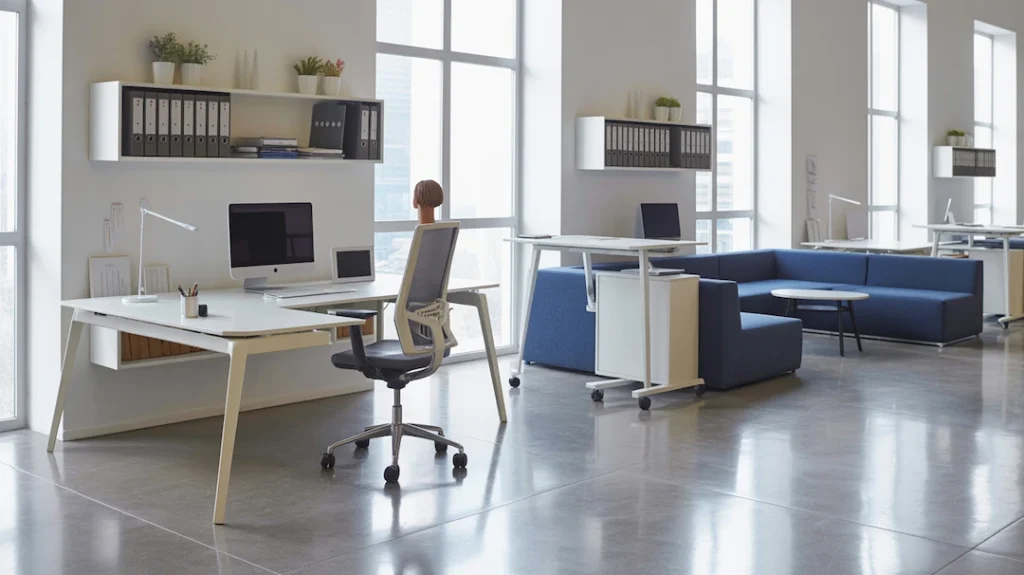
A modern workspace is not just about functionality—it’s also about creating an environment where employees feel motivated and comfortable. Well-arranged office furniture contributes to aesthetics, organization, and a sense of order, all of which enhance employee satisfaction. Bright, open spaces with neatly positioned desks and ergonomic office chairs make the office inviting and reflect the company’s commitment to employee well-being.
Moreover, a thoughtfully designed layout can accommodate additional features like collaborative zones, break areas, and recreational spaces. These elements contribute to a healthy work-life balance and boost morale, ultimately benefiting the organization as a whole.
Conclusion
The importance of office furniture layout in a modern workspace cannot be overstated. From enhancing productivity and promoting health to fostering collaboration and creating a positive environment, every detail matters. By carefully arranging desks, storage units, and office chairs, businesses can design workspaces that are not only efficient but also employee-friendly.
Investing time and resources into planning the office layout is an investment in the workforce itself. A well-structured office encourages focus, reduces fatigue, improves communication, and ultimately contributes to the overall success of the organization. In today’s competitive landscape, the strategic arrangement of office furniture is a key factor in building a modern, productive, and thriving workspace.

Christine Kelley is a dedicated home blogger who has been blogging for over six years. She covers everything home related. Christine also loves writing posts about her travels to Europe with her husband and two children.